Science fiction taught us to imagine the future in steel, glass, dense skylines, and artificial light. But what if the future is green? Across the GCC, sustainability is no longer a future ambition—it’s happening now. While billions are being invested into green infrastructure and national initiatives, a quieter competition is emerging beneath the surface: the race to secure the right talent fast enough to keep up.
This Earth Day, that reality is impossible to ignore. Sustainability is already reshaping economies across the MENA region—driven by policy, investment, and innovation.
Here, it is not a passing fad. but an economic imperative, a strategic priority, and a long-term investment. From solar fields stretching across deserts to investments in food security, water innovation, and circular economies, sustainability is firmly taking center stage.
This marks the region’s green pivot, one that is unlocking economic opportunity and reshaping industries at scale.
1. Upcoming Sustainability Events
As a regional hub for experts, investors, and startups in the sustainability space, MENA hosts a growing calendar of conferences and industry gatherings each year. These events bring together key stakeholders to exchange insights—signalling where capital, policy, and innovation are heading.
The World ESG Summit & Awards returns for its 7th edition on September 7 and 8, 2026, marking its third time in Dubai and bringing together global leaders to discuss ESG integration, sustainable finance, and corporate responsibility.
Alongside it, Dubai’s Energy & Sustainability Summit 2026 (May 20, 2026) and Riyadh’s Global Infrastructure Expo 2026 (September 15–17, 2026) further highlight the region’s momentum. Sustainability Online lists over 60 sustainability-related events across MENA, spanning sectors from energy and infrastructure to finance, agriculture, and climate innovation, taking place in key hubs such as Dubai, Abu Dhabi, Riyadh, Doha, Cairo, and Casablanca (Sustainability Online).
Together, these events reflect a region actively positioning itself at the forefront of the global sustainability conversation.
2. Sustainability Projects Underway in the GCC
Across the GCC, ambitious sustainability projects are already underway.
In Saudi Arabia, the Saudi Green Initiative is driving one of the region’s most significant environmental transformations. Through its executive arm, the National Greening Program, the country is targeting the rehabilitation of 40 million hectares of land and the planting of 10 billion trees across 155 initiatives. Recently, the first 1 million hectares of degraded land have been restored, a milestone that signals early progress in reversing desertification and restoring ecological balance (Arab News, 2026).
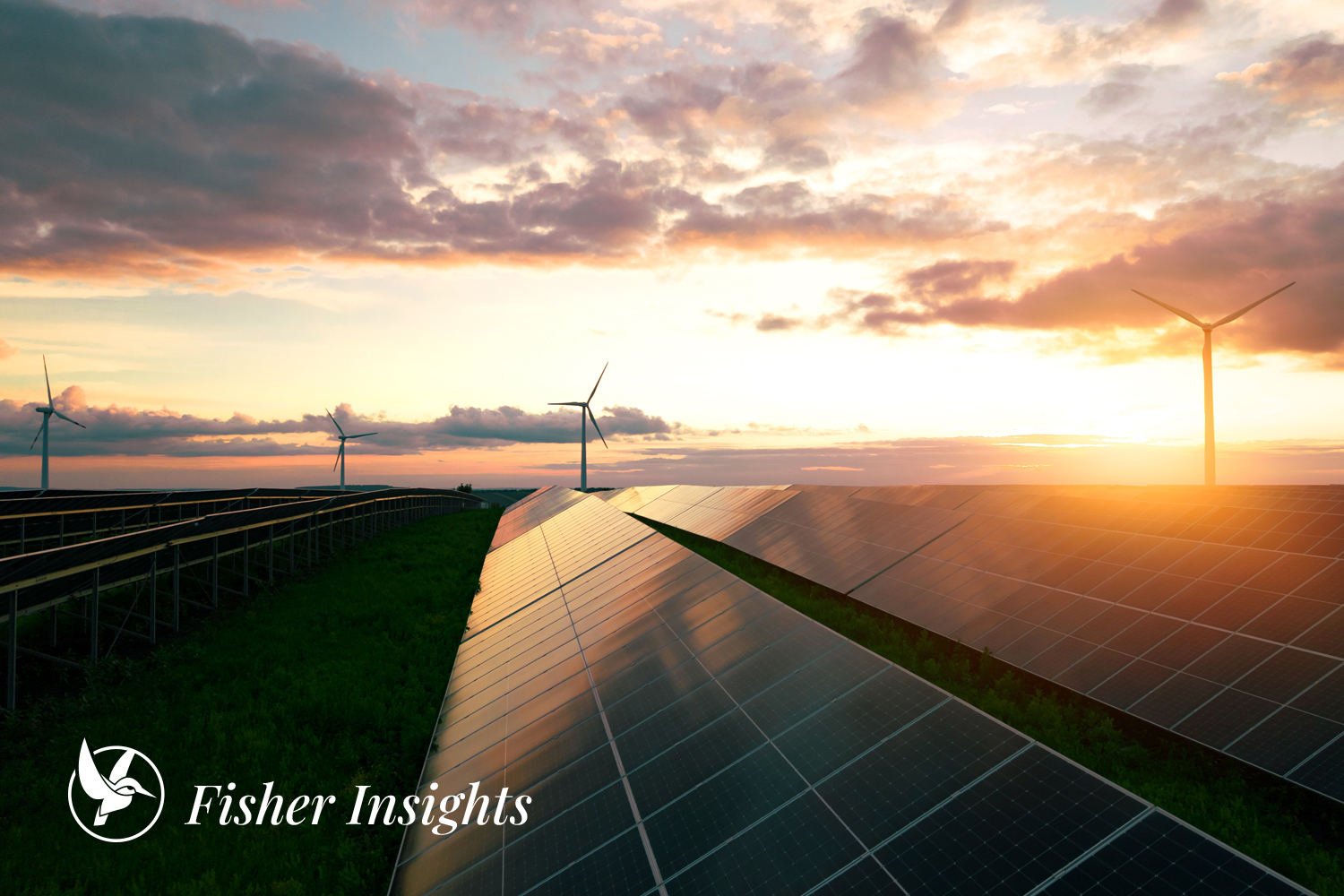
In Oman, the focus is on diversifying energy sources through large-scale renewable projects. Plans through 2030 include solar and wind energy developments across multiple locations, expected to generate approximately 5,080 megawatts of solar energy and 1,720 megawatts of wind energy. The country is also expanding into circular energy systems, with a waste-to-energy project in Barka expected to begin operations in 2031 (Foreign Ministry of Oman).
Meanwhile, the United Arab Emirates is advancing both policy and innovation. At the World Governments Summit 2026, the Abu Dhabi Department of Energy introduced the Solar Energy Self-Supply Policy, enabling sectors such as agriculture to generate and store their own clean energy. This shift is already materializing through projects like the region’s first agricultural photovoltaic (AgriPV) system, launched by Masdar in partnership with Elite Agro. Together, these initiatives reflect a broader regional commitment to sustainable development.
3. What This Means for You
These projects don’t just translate into cleaner air and energy—they are reshaping job markets, creating new industries, and redefining what in-demand talent looks like. From engineers and sustainability consultants to data analysts and policy specialists, the region’s green shift is driving demand for new skills and expertise.
For businesses, this means competing for an increasingly specialized and evolving talent pool. For professionals, it opens up new pathways and opportunities to be part of long-term, future-focused industries.
The challenge is no longer demand for talent—it is access to it at speed and scale.
At Fisher, we help you stay ahead of that shift by mapping talent availability, identifying critical skill gaps, and connecting you with the right professionals before demand peaks. Through tailored talent pipelines, extensive candidate networks, and in-depth market mapping, we give you a clear view of where the market is heading—and the people needed to match it.
References:
Arab News. (2026, March 28). Saudi Arabia restores first 1 million hectares of degraded land. https://www.arabnews.com/node/2637991/saudi-arabia
Energy & Sustainability Summit. (n.d.). Energy & Sustainability Summit 2026. https://eassummit.com/
Foreign Ministry of Oman. (2026, March 9). Sustainability and renewable energy projects in Oman. https://www.fm.gov.om/en/38872/
Sustainability Online. (n.d.). Sustainability conferences in MENA. https://sustainabilityonline.net/news/sustainability-conferences-in-mena/
World ESG Summit. (n.d.). World ESG Summit & Awards. https://worldesgsummit.com/